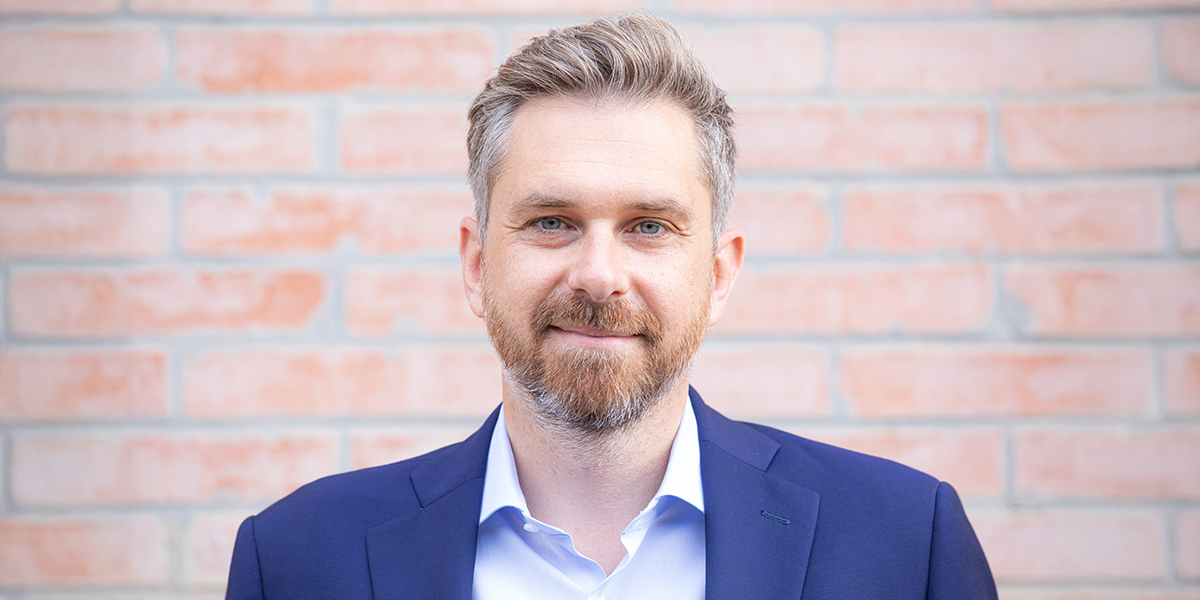
16 Nov Interview with Matteo Lepore, Mayor, City of Bologna
Bologna is often referred to as Italy’s best-kept secret, blending medieval charm, culinary prestige and a thriving academic culture. How do you see the city’s evolving role in the broader regional and national landscape?
I have been mayor for three years, after serving as deputy mayor for a decade, focusing on tourism and city promotion. Over the past 13 years, I have witnessed Bologna’s transformation — especially in tourism and trade fairs — which have grown significantly. Once known mainly for its university, the city is now internationally connected through its cultural heritage, manufacturing sector and global events.
Because of the university, Bologna is one of the youngest cities in Italy. Of the 100,000 university students, about 70,000 live in the city — the rest are in the Romagna area. The university shapes the city’s identity and energy. We call ourselves the ‘City of Knowledge’ because of our strong academic presence and numerous public and private research centers, including the Technopole and the SENECA consortium, which is part of Italy’s national computing hub. Innovation is key to our development.
How are regional strengths in agri-food, advanced manufacturing and cooperative enterprise influencing Bologna’s development strategy?
As Deputy Mayor of Tourism, I promoted an alliance between Bologna and Modena — two economic powerhouses in Emilia-Romagna. Together, we represent a strong base for Italy’s manufacturing, agrifood, science and healthcare sectors. The region drives much of the country’s trade surplus. Iconic brands like Ferrari, Lamborghini, Maserati, Ducati and our renowned food traditions help position us globally and support our international outreach.
Bologna is gaining visibility among North American travelers and investors. How is the city working to grow its international tourism profile and global economic partnerships?
Bologna is now the third-leading city in Europe for international manufacturing investment. While we are known for our food and university, we have chosen to invest heavily in culture and creativity. Our UNESCO-listed Porticoes, restoration of the Two Towers and festivals like Il Cinema Ritrovato reflect this commitment.
Cineteca di Bologna is a world leader in film restoration, with archives of Chaplin, Antonioni and Fellini and collaborations with directors like Martin Scorsese. With support from the Emilia-Romagna Film Commission, Bologna is increasingly used as a location for international films and streaming productions.
Sustainability is a core pillar of Bologna’s urban strategy. As one of the first Italian cities to commit to carbon neutrality by 2030, how are you implementing meaningful, measurable change?
We have signed a city contract with over 100 public and private entities, all committed to achieving carbon neutrality by 2030. The total investment amounts to €11 billion, with each partner contributing through their own sustainability projects. This multi-stakeholder governance model aligns efforts across sectors: public transport companies, for instance, have shifted strategies, while Ducati and Lamborghini have joined to accelerate their green transitions. It’s a collaborative platform that drives innovation and shapes a new sustainable identity for Bologna.
By 2030, all transport in Bologna will be electric or carbon neutral and two new tram lines will be completed. We have also launched a €500 million plan to install solar panels on 300 municipal buildings, making them fossil fuel-free within four years. This will be the first project of its kind in Italy.
Bologna has also emerged as a laboratory for digital transformation, smart governance and civic participation. What is the importance of digitalization and AI in your everyday business?
Bologna has a long civic tradition in digital innovation. In the 1990s, we became the first city in Italy and second in Europe after Amsterdam to offer citizens free internet and email access. Today, with the Technopole, we are advancing citizen science and a democratic approach to AI and supercomputing. This major European investment will help us address energy and ethical challenges while connecting Bologna to a wider European network, including supercomputing hubs in Barcelona and Helsinki. We are also leading the AI-focused LION program, making this a key pillar of our city’s future.
Which other sectors do you see as having potential in the city for American investors?
Our exhibition center is Italy’s top fair venue and among the top three in Europe. We welcome international investors and already partner with global leaders like Informa from the UK. Investment opportunities are also open in the airport, logistics and real estate sectors. We are redeveloping former industrial areas with a focus on sustainable and affordable housing.
How would you describe the attractiveness of doing business in Bologna, especially regarding ease of doing business?
Bologna is a city of knowledge and quality of life. Choosing Bologna means choosing an efficient Italian city where you can raise your family and grow both personally and professionally. It’s a city for investment and for living well. We have an Office of Attractiveness in the Metropolitan City of Bologna that supports investors and talent, facilitating investment in the area. Bologna’s municipal rating is strong and trusted, reflecting our tradition of good governance. For investment in Italy, Emilia-Romagna and Bologna are top choices.
Bologna is not just a city of food but also of culture, knowledge and technology — one of Italy’s and Southern Europe’s innovation hubs.
What’s your final message to the readers of USA Today?
Innovation is key to development and essential for protecting democracy and equality. Cities face challenges but also offer solutions, making global connections vital. We partner with many American cities, emphasizing transatlantic collaboration.
Sorry, the comment form is closed at this time.